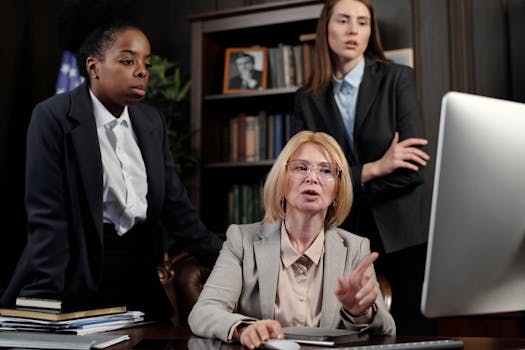

Let’s be clear: the phrase “rape defense attorney” often conjures images of courtroom theatrics, dramatic objections, and lawyers gleefully shredding witness credibility. While that might make for compelling television, the reality is far more intricate, nuanced, and frankly, less about showmanship and more about safeguarding fundamental rights. It’s a role often misunderstood, even demonized, but it’s a vital cog in the machinery of our justice system.
Think of a rape defense attorney not as a villain, but as an architect of due process. Their job isn’t to condone or excuse any act, but to ensure that every individual, regardless of the charges they face, receives a fair trial and has their constitutional rights protected. It’s a heavy burden, and one that requires a unique blend of sharp legal intellect, unwavering ethical fortitude, and a surprisingly robust sense of humor (you’d need it, trust me).
Navigating the Minefield: What Does a Rape Defense Attorney Actually Do?
The day-to-day of a rape defense attorney is far removed from the sensationalism. It involves meticulous investigation, strategic planning, and a deep understanding of both criminal law and human psychology.
The Investigation: Before any court date, a significant amount of work happens behind the scenes. This includes reviewing all evidence provided by the prosecution, interviewing potential witnesses (both for the defense and the prosecution), and often, hiring private investigators to unearth facts that might have been overlooked or intentionally downplayed.
Challenging the Narrative: The prosecution presents a case. The defense attorney’s role is to rigorously examine that case. This means questioning the reliability of evidence, scrutinizing witness testimonies for inconsistencies, and exploring any alternative explanations for the events in question. It’s about seeking the full truth, not just the prosecution’s version of it.
Protecting Constitutional Rights: Every individual has rights – the right to remain silent, the right to counsel, the right to a fair trial. A rape defense attorney is the guardian of these rights. They ensure these rights are not violated at any stage, from arrest to sentencing. This is non-negotiable, regardless of the alleged crime.
Beyond Accusation: The Importance of Due Process
The legal principle of “innocent until proven guilty” isn’t just a catchy phrase; it’s the bedrock of a just society. A rape defense attorney is a crucial player in upholding this principle, especially in cases involving sexual assault, where emotions can run incredibly high and public opinion can form swiftly and decisively.
It’s easy to get swept up in the narrative of a victim’s account. And indeed, the bravery of survivors who come forward is undeniable and crucial for justice. However, the legal system is designed to be an impartial arbiter. The defense attorney’s duty is to ensure that the prosecution meets its high burden of proof beyond a reasonable doubt. This isn’t about disbelieving the accuser; it’s about ensuring the accused receives a fair hearing and that their conviction, if it comes, is based on solid, unimpeachable evidence.
#### Common Misconceptions vs. Legal Realities
One of the biggest misconceptions is that a rape defense attorney believes their client is inherently innocent or that they condone the alleged actions. This simply isn’t true. Their role is professional and ethical.
Misconception: They are trying to “get off” guilty people.
Reality: They are ensuring the legal process is followed correctly and that the prosecution proves its case. A “win” for the defense might mean an acquittal, a plea deal, or even a reduced sentence – all outcomes of the legal process, not necessarily an endorsement of the client’s actions.
Misconception: They don’t care about victims.
Reality: Their ethical obligation is to their client. This doesn’t preclude empathy or understanding for the seriousness of the allegations; it simply means their primary duty lies with the accused person’s legal rights.
The Skillset of a Tenacious Defender
What does it take to be an effective rape defense attorney? It’s a combination of skills that go beyond just knowing the law.
Forensic Acumen: Understanding forensic evidence, from DNA to digital footprints, is crucial for dissecting prosecution claims.
Psychological Insight: Understanding witness behavior, jury dynamics, and the psychological impact of trauma can be invaluable.
Mastery of Cross-Examination: This is where the courtroom drama often lies, but it’s a highly skilled art of precise questioning, designed to elicit truth and expose inconsistencies, not to bully or demean.
* Impeccable Ethics: Navigating these complex cases requires unwavering adherence to ethical codes. A good defense attorney will never suborn perjury or knowingly present false evidence.
When Facts Meet Emotions: The Ethical Tightrope
The ethical considerations in rape defense are particularly challenging. Attorneys must balance their duty to their client with the profound gravity of the allegations and the potential impact on victims. It’s a fine line, walked with immense professionalism.
In my experience, the most effective rape defense attorneys are those who can compartmentalize their personal feelings, focus on the legal parameters of the case, and remain objective. They understand that their role is to facilitate a fair legal process, not to pass personal judgment. It’s a demanding, often thankless task, but one that is indispensable for a functioning legal system.
Final Thoughts: The Guardians of Due Process
So, the next time you hear the term “rape defense attorney,” try to look past the sensationalism. Recognize the vital, albeit often challenging, role they play in upholding fundamental legal principles. They are the guardians of due process, ensuring that even in the most difficult cases, the scales of justice are balanced, and every individual receives a fair chance to be heard. Their work, though often controversial, is a testament to the ideal that justice requires not just a fair hearing for the wronged, but also for the accused.