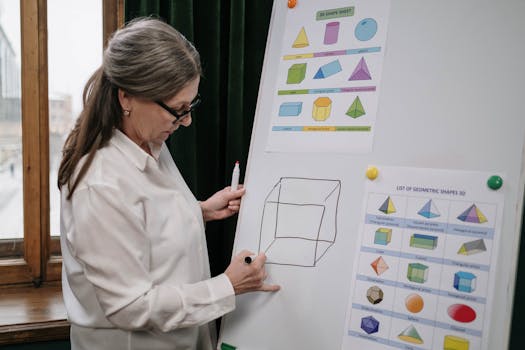

Ever feel like you’re just going through the motions when it comes to fostering critical thinking and problem-solving skills? It’s a common predicament. We all know these skills are vital – the bedrock of innovation, the antidote to misinformation, and frankly, what separates folks who just react from those who create. But how do we actually promote them in a way that sticks, rather than just ticking a box on a curriculum or training agenda? Forget the jargon-filled lectures; let’s dive into some genuinely effective, and dare I say, enjoyable, approaches to promoting critical thinking and problem-solving.
The “Why Bother?” – Reframing the Importance
Before we get to the “how,” let’s solidify the “why.” Critical thinking isn’t about being cynical; it’s about being discerning. It’s the ability to analyze information objectively, identify biases, and form well-reasoned judgments. Problem-solving? That’s applying that critical lens to overcome obstacles, whether it’s a tricky work project or figuring out why your printer is suddenly staging a rebellion. These aren’t just “nice-to-have” skills; they’re essential for navigating our increasingly complex world. In my experience, people who embrace these skills tend to be more adaptable, more resilient, and, let’s be honest, more likely to invent the next cool gadget.
Cultivating Curiosity: The Spark Plug of Thought
Perhaps the most fundamental approach to promoting critical thinking and problem-solving is to nurture an insatiable curiosity. Think about children: they’re natural-born investigators, constantly asking “why?” somewhere around age four. What happens to that drive? Often, it gets smoothed over by the expectation of “correct” answers and a fear of looking silly.
Embrace the “What If?”: Encourage speculative thinking. Pose questions that have no single right answer. “What if gravity suddenly became optional?” “What if social media disappeared tomorrow?” These aren’t silly exercises; they force individuals to consider possibilities and consequences.
Deconstruct Everyday Phenomena: Take a common object or event and pick it apart. How does a smartphone work? What are the steps involved in making a cup of coffee? This simple act of deconstruction builds analytical muscles.
Model Inquisitiveness: As educators or leaders, we need to show our own curiosity. Admit when you don’t know something and then actively seek out the answer, perhaps even involving your audience in the search.
The Art of Questioning: Beyond “Did You Do It?”
Asking the right questions is an art form. It’s the difference between getting a superficial “yes” or “no” and unlocking a cascade of insightful responses. Effective questioning is a cornerstone of any robust approach to promoting critical thinking and problem-solving.
#### Probing Questions for Deeper Understanding
Instead of simple yes/no queries, aim for questions that require elaboration and justification.
“How did you arrive at that conclusion?” (Focuses on the process)
“What assumptions are you making here?” (Uncovers underlying beliefs)
“Can you provide evidence for that statement?” (Demands factual support)
“What are the potential drawbacks of this approach?” (Encourages balanced consideration)
“If we change X, what do you think will happen to Y?” (Promotes causal reasoning)
It’s fascinating how often people haven’t consciously considered the underpinnings of their own thoughts. Guiding them to do so is a powerful intervention.
Experiential Learning: Getting Your Hands (Metaphorically) Dirty
Theory is great, but applying it is where the magic happens. Experiential learning allows individuals to grapple with problems firsthand, making mistakes and learning from them in a safe environment. This is a highly effective approach to promoting critical thinking and problem-solving.
#### Scenarios and Simulations: The Low-Stakes Playground
Case Studies with a Twist: Present realistic scenarios and ask participants to analyze the situation, identify the core problem, and propose solutions. Crucially, follow up by asking them to defend their proposed solutions and consider alternatives.
Role-Playing Exercises: Assign roles in simulated situations (e.g., a team negotiation, a customer service crisis). This forces empathy and the application of problem-solving strategies under pressure.
Project-Based Learning: Assign open-ended projects that require research, planning, execution, and reflection. The ambiguity inherent in these projects naturally fosters critical thinking.
One thing to keep in mind is that the debrief after an experiential activity is often more valuable than the activity itself. What did they learn? What would they do differently?
The Power of Collaboration: Two Heads (or More) Are Better Than One
While individual thinking is important, collaborative problem-solving is a superpower. Working with others exposes individuals to different perspectives, challenges their own assumptions, and hones their ability to articulate their ideas and respectfully disagree. This collaborative aspect is a vital component of approaches to promoting critical thinking and problem-solving in group settings.
#### Fostering Constructive Dialogue
Structured Debates: Assign opposing viewpoints on a topic. This forces participants to research both sides thoroughly and develop persuasive arguments, enhancing their analytical skills.
Brainstorming Sessions with Ground Rules: Set clear guidelines for brainstorming to ensure all ideas are welcome initially, followed by a structured evaluation phase. This prevents the loudest voices from dominating and encourages diverse input.
Peer Feedback Loops: Implement regular opportunities for individuals to give and receive constructive feedback on their ideas and work. Learning to both give and receive feedback gracefully is a critical thinking skill in itself.
It’s interesting to note that when people collaborate effectively, they often arrive at solutions that are more innovative and robust than any individual could have devised alone.
Embracing Failure as a Stepping Stone
Ah, failure. The word itself can conjure up images of red pen marks and disappointed sighs. However, one of the most impactful approaches to promoting critical thinking and problem-solving involves reframing failure not as an endpoint, but as a data point.
“What Did We Learn?” Mentality: After a project doesn’t go as planned, the focus should shift from assigning blame to understanding the lessons learned. What went wrong? Why? How can we prevent it next time?
Psychological Safety: Create an environment where individuals feel safe to take risks and admit mistakes without fear of severe repercussions. This encourages experimentation and, ultimately, innovation.
Iterative Processes: Emphasize that many problems are solved through a series of iterations, not a single grand gesture. Each attempt, successful or not, provides valuable information for the next cycle.
In my professional life, the most significant breakthroughs often came after a string of “failures” that taught us precisely what not to do.
Wrapping Up: Cultivating a Mindset for Success
Ultimately, the most effective approaches to promoting critical thinking and problem-solving aren’t about following a rigid formula. They’re about fostering a mindset – one of curiosity, inquiry, experimentation, and resilience. By consciously integrating these strategies into our learning environments, workplaces, and even our daily interactions, we empower individuals not just to think better, but to live* better, navigating challenges with confidence and creativity. So, let’s move beyond the buzzwords and start building those thinking muscles, one thoughtful question and one bold experiment at a time. The future, after all, depends on it.